APRODEH

LATIN AMERICA - PEROU


-2026-01.png)
APRODEH, Peru: Building Bridges for a Better Life
The Pro-Human Rights Association (APRODEH), founded in 1983, is a Peruvian non-governmental organization committed to the defense and comprehensive promotion of human rights. Its mission is to contribute to the development of social, legal, and political processes aimed at guaranteeing respect for human rights, within the framework of sustained efforts to build a more equitable and democratic country.
The CoRe II project
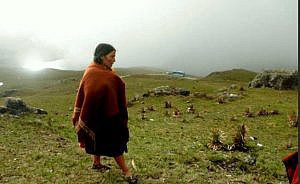
The APRODEH project is being implemented in the Andean region of Huanta, specifically in the urban centers of Culluchaca and Uchuraccay. It aims to promote the recognition of the Andean zone of Huanta as an Agrobiodiversity Zone (ABD), in partnership with local governments, while strengthening the productive and political capacities of the region's rural populations.
This project addresses the challenges related to the loss of agricultural biodiversity, the impacts of climate change on agroecological production, and the erosion of cultural practices and the Andean worldview. It will directly benefit 630 people and indirectly 1,160 people.
Planned activities
The main activities of the project include:
The identification of traditional and ancestral practices contributing to the protection and sustainable management of the territory, through interviews with local communities.
The implementation of a communication strategy aimed at promoting and enhancing Andean cultural traditions.
Capacity building for teachers in Huanta province on the issues of climate change and the importance of traditions that protect the environment.
Developing partnerships with schools to implement environmental protection education activities.
The organization of an annual farmers' seed fair;
Technical support for experimentation processes aimed at mitigating losses related to climate change.
Support for experimentation and adaptation by seed guardian families.
The creation of monitoring areas for the preservation of the agrobiodiversity zone, with the active participation of seed guardians after technical training focused on monitoring identified contamination risks.
Promoting the adoption of a national plan for agroecology